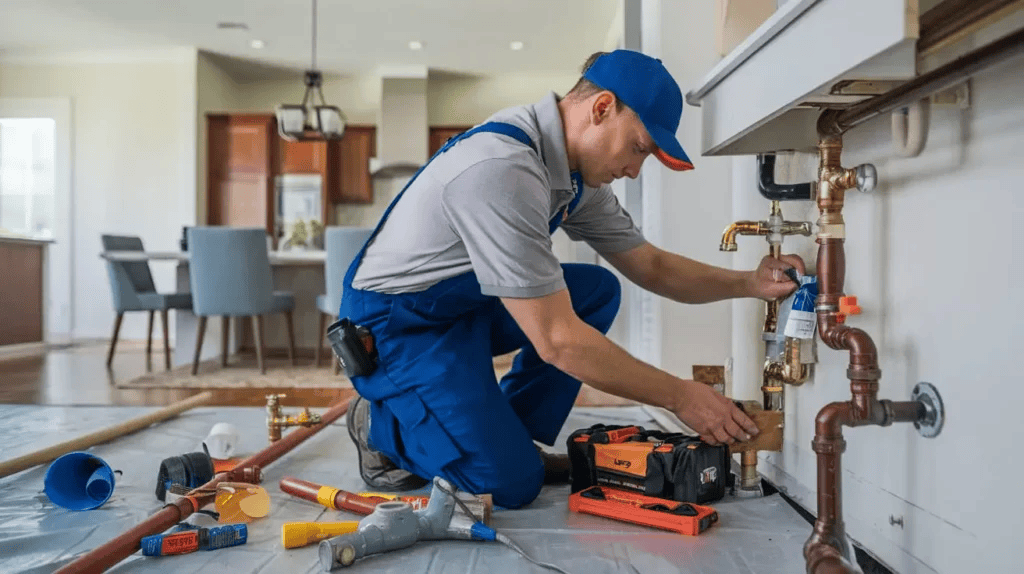
A burst pipe, blocked toilet or major water leak can cause panic. Water can spread into floors, walls and rooms below.
Fast action can reduce the damage.
Your first job is to keep everyone safe. Your next job is to stop more water from entering the property.
This guide explains what to do during a plumbing emergency in London. It also explains how to limit damage before an emergency plumber arrives.
Table of contents
- Two important plumbing statistics
- What to do first
- Check for electrical, gas and sewage danger
- How to turn off your water supply
- How to limit water damage
- What to do during common plumbing emergencies
- Advice for tenants, landlords and property managers
- What to tell the emergency plumber
- Emergency plumber costs in London
- What to do after the repair
- How to prevent another emergency
- Frequently asked questions
- Author box
Two important plumbing statistics
Water leaks are common. They can also be very costly.
Statistic 1: The Association of British Insurers says insurers pay about £1.8 million each day for water damage caused by escape. Escape of water can include burst pipes, leaking appliances and overflowing blocked toilets.
Statistic 2: Home insurers settled about 8,000 weather-related pipe damage claims in 2024. These claims had a total value of £250 million. The average claim was close to £33,000.
These figures show why you should act quickly. Turning off the water may prevent a small leak from becoming a major water damage claim.
What to do first in a plumbing emergency
Stay calm and follow these steps:
- Keep children and pets away.
- Check for electrical, gas or sewage danger.
- Turn off the water supply if it is safe.
- Stop using the leaking tap, toilet, boiler or appliance.
- Place a bucket under the leak.
- Move furniture and valuables away.
- Call a local emergency plumber.
- Take photos of the leak and damage.
Do not walk into deep or dirty water. It may hide sharp objects, broken floor parts or open drains.
Call 020 8023 5168 if someone is in immediate danger.
Check for electrical, gas and sewage danger.
Safety must come before protecting furniture or other items.
Water near sockets or electrical items
Do not touch:
- Wet sockets
- Wet plugs
- Wet lights
- A wet fuse box
- Appliances standing in water
- Exposed electrical wires
You should only switch off the power at the consumer unit when:
- The consumer unit is dry.
- You can reach it without walking through water.
- You do not need to touch a wet wall.
- You are sure it is safe.
Do not use a normal vacuum to remove water. Do not use an extension lead, electric heater or mains-powered pump in a wet room.
Government guidance says you should not touch an electrical switch while standing in water. Electrical equipment that has become wet should stay off until a qualified person has checked it.
Warning: Leave the area and call 999 if there is a risk of electric shock, fire or serious injury.
A smell of gas
A leaking boiler does not always mean gas is leaking. However, you must act at once if you smell gas or think carbon monoxide may be present.
Do not:
- Use a flame
- Smoke
- Turn electrical switches on or off
- Try to repair the boiler.
- Use the gas appliance.
Open doors and windows if it is safe.
Turn off the gas at the meter only if you know how to do it safely.
Call Plumbing Service London at 020 8023 5168. The number is free and is available 24 hours a day.
Gas work in a home must be completed by a Gas Safe-registered engineer who is qualified for that type of work.
Sewage or dirty water
Water from an overflowing toilet, drain or sewer may contain harmful waste.
Keep children and pets away.
Wear waterproof gloves and boots if you must enter the area for safety reasons. Wash your hands with warm water and soap after contact.
Do not eat food that has touched sewage or flood water.
UK Health Security Agency guidance says flood water can contain sewage, waste and other harmful material. It also warns about sharp objects and wet electrical equipment.
How to turn off your water supply
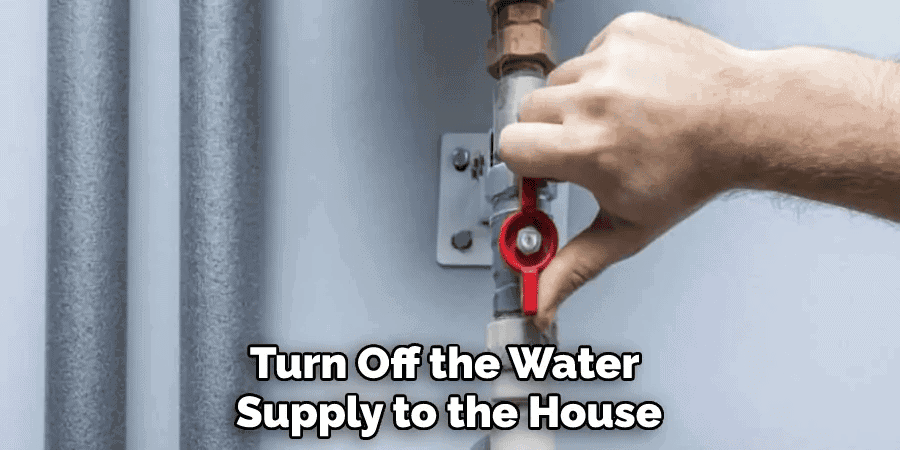
Turning off the mains water may slow or stop a leaking pipe.
The valve that controls the main water supply may be called a’
- Stopcock
- Stop tap
- Inside stop valve
- Main water shut-off valve
- Water isolation valve
These names often describe the same type of valve.
Where is the stopcock?
The stopcock is often near the point where the main water pipe enters the property.
Look in these places:
- Under the kitchen sink
- Inside a kitchen cupboard
- Near the front door
- Under the stairs
- In a utility room
- In a downstairs toilet
- In a garage
- In a cellar
- Inside an airing cupboard
- Under removable floorboards
Thames Water says an inside stop valve is often under the kitchen sink, under the stairs, near the front door or inside a garage, bathroom, utility room or cellar.
How to turn off the stopcock
Turn the valve clockwise to close it.
Do not use too much force. An old stopcock may be stiff. Using too much force could damage or break it.
After closing the valve:
- Open the cold kitchen tap.
- Open another cold tap on the lowest floor.
- Let the water left in the pipes drain.
- Turn off water-fed appliances.
- Check whether the leak is slowing.
Water may continue to flow for a short time. Some water may still be inside the pipes or a storage tank.
What to do in a London flat
Many London flats have shared water pipes.
Your stopcock may be the following:
- Under the kitchen sink
- Near the boiler
- In a hall cupboard
- Inside a service riser
- Near the flat entrance
- In a shared building area
Contact the concierge, landlord, letting agent or building manager if you cannot find it.
Do not turn off a shared valve unless you have permission or there is a serious emergency. It may stop the water supply to other flats.
Did you know? A building may have one shared stop valve and another valve for each flat. Thames Water advises that shared valves are often found where the water supply enters the building.
How to limit water damage
Once the water is off, try to contain the leak.
You can:
- Put a bucket under dripping water
- Place towels around a small clean-water leak
- Move rugs and furniture
- Lift curtains from the floor
- Move boxes and valuables
- Take clear photos and videos
- Write down when the leak started
- Open a window when it is safe.
Do not stand under a ceiling that is swollen with water. A wet ceiling may become weak and fall.
Do not move wet electrical items.
Pipe repair tape or a repair clamp may slow a small leak on an open and easy-to-reach pipe. Follow the product instructions.
Do not use a temporary repair on a boiler, gas pipe, badly damaged pipe or hidden pipe.
But remember: A temporary pipe leak repair only limits the damage. A plumber must still inspect the pipe and find the cause.
What to do during common plumbing emergencies
Different plumbing problems need different first steps.
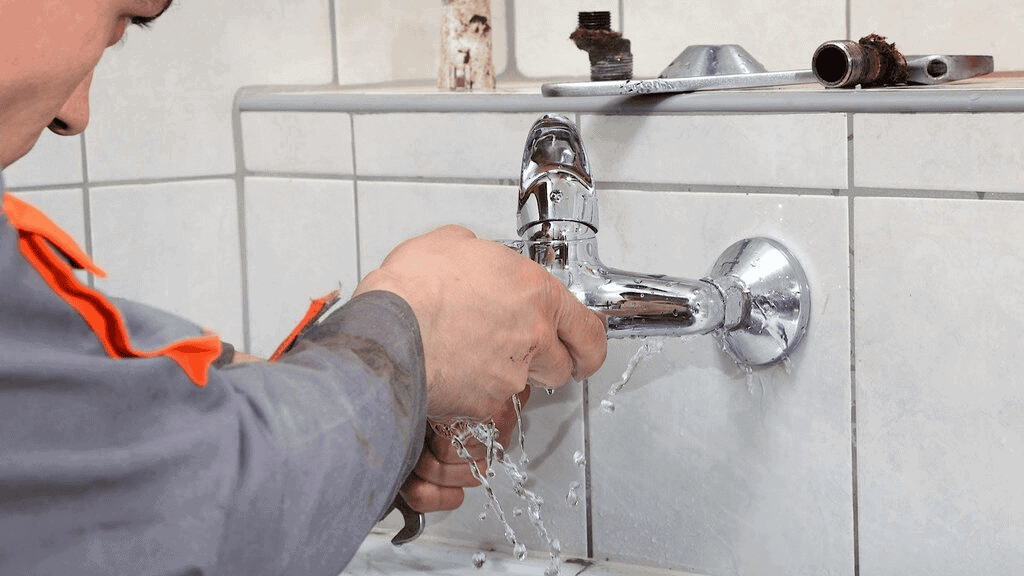
Burst pipe or leaking pipe
A burst pipe emergency can release a large amount of water.
Take these steps:
- Turn off the mains water.
- Keep away from wet electrical items.
- Open safe cold taps to drain the pipes.
- Put a bucket under the damaged pipe.
- Move furniture and valuables.
- Call an emergency plumber in London.
- Take clear photos.
Do not cut the pipe or remove fittings unless you are trained.
The plumber may replace a fitting, repair one section or replace a longer length of pipe.
The correct burst pipe repair will depend on:
- The type of pipe
- The age of the pipe
- The place where it is damaged
- The size of the split
- The condition of nearby joints
- The cause of the damage
Water leaking from the ceiling.
Move people and furniture away from the area.
Do not stand under a bulging ceiling. Do not pierce the ceiling. Electrical wires and pipes may be hidden above it.
Stop using the bath, shower, toilet or appliance in the room above.
Turn off the mains water if the leak may be coming from a supply pipe.
In a flat, contact the property above and the building manager. The water may be coming from another home or from shared pipework.
Water leaking from a ceiling may come from the following:
- A bath or shower
- A toilet
- A boiler
- A radiator pipe
- A water tank
- A washing machine
- A hidden pipe
- A roof leak
An emergency leak detection visit may be needed if the source is not clear.
Overflowing toilet emergency
Do not flush the toilet again.
Take these steps:
- Lift the cistern lid if it is safe.
- Raise the float to slow the refill.
- Close the small isolation valve near the toilet if one is fitted.
- Turn off the mains water if the flow continues.
- Keep people away from dirty water.
- Call for an emergency toilet repair.
Do not pour strong drain chemicals into the toilet. They may splash, damage parts or create a risk for the plumber.
A blocked toilet may be caused by:
- Too much toilet paper
- Wipes
- Sanitary items
- A blocked toilet trap
- A blocked soil pipe
- A problem in a shared stack
- A blocked main drain
Blocked sink or drain
Stop using the sink, bath, shower or appliance linked to the blocked drain.
Remove visible food or hair from the plughole while wearing gloves.
Do not mix drain cleaning products. Mixing chemicals may cause heat, fumes or splashing.
Call a drainage engineer when:
- Water comes back through another fitting
- More than one drain is blocked
- Sewage is present
- The blockage keeps returning.
- The drain is overflowing.
- You hear loud gurgling sounds.
A blocked drain emergency may need rodding, water jetting, a camera survey or pipe repair.
Leaking boiler or radiator
Turn off the boiler using its normal controls if they are dry and safe to reach.
Do not remove the boiler cover.
Place a bowl under a small clean-water drip if it is safe. Then call a qualified heating engineer.
A leak may come from:
- A radiator valve
- A heating pipe
- A boiler joint
- A pressure relief pipe
- A pump
- An internal boiler part
A falling boiler pressure reading may also point to a water leak.
Call 020 8023 5168 if you smell gas or suspect carbon monoxide.
Frozen or burst pipe
A frozen pipe may have little or no water flow. It may show frost, a bulge or a visible split.
Turn off the water before thawing the pipe if you think it may be damaged.
You may use warm towels or a hot-water bottle on an open pipe. Do not use a flame, blowtorch or very hot water.
Watch the pipe as it becomes warmer. A split may start leaking when the ice melts.
Advice for tenants, landlords and property managers
Tenants
Tell your landlord, letting agent or property manager as soon as possible.
Send them:
- Your full address
- Your flat number
- Photos or a short video
- The time the leak started
- The rooms affected
- Whether the water is off
- Details of any electrical danger
- Details of any sewage risk
Take safe steps to limit the damage. Follow the emergency process in your tenancy agreement.
Landlords
Reply quickly and arrange safe access.
Keep a record of:
- The tenant’s report
- Photos and videos
- Call times
- The plumber’s arrival time
- The cause of the fault
- Work completed
- Parts used
- Follow-up work
Clear records may also help with an escape of water insurance claim.
Property managers and letting agents
Check whether the leak affects one flat or a shared part of the building.
Tell the plumber about:
- Entry codes
- Keys
- Parking rules
- Floor level
- Lift access
- Service risers
- Known shut-off points
- Other properties at risk
Good details can help the engineer prepare before arriving.
What to tell the emergency plumber
Give clear facts when you call.
Be ready to share:
- Your postcode and full address
- Your property type
- Your floor number
- The source of the leak, if known
- Whether the mains water is off
- Whether water is near electricity
- Whether sewage is present
- Whether a boiler is involved
- Parking information
- Building access details
Expert tip: Send one wide photo of the room and one close photo of the leak. This gives the plumber more useful information.
Ask for an estimated arrival time. A rapid response or same-day plumber may be able to attend soon. However, London traffic, distance, access and current emergencies can affect the response time.
Emergency plumber costs in London.
Emergency plumbing prices can vary.
The final cost may depend on the following:
- Time of day
- Evening work
- Weekend work
- Bank holiday work
- Travel and parking
- Minimum labour time
- Parts and materials
- Type of fault
- Access to the pipe
- Leak detection equipment
- Follow-up work
- VAT
Before booking, ask:
- Is there a plumber call-out fee?
- Is there a minimum labour charge?
- Does the price include VAT?
- Are parking costs extra?
- Are parts charged separately?
- Is fault finding included?
- Will I receive an itemized invoice?
- Is there a workmanship guarantee?
Do not choose a company only because it says “cheap” or “no call-out fee”.
Ask what the full charge may include.
What to do after the repair
Once the water has stopped, check the full area.
You may need to:
- Dry the room
- Remove wet materials
- Contact your insurer
- Inform your landlord
- Inform the building manager
- Arrange an electrical check
- Check the room below.
- Watch for damp and mould
- Keep invoices and reports
Take photos before throwing damaged items away.
The Association of British Insurers advises contacting your insurer as soon as possible. It also advises keeping receipts for emergency work and not throwing damaged items away before speaking to the insurer, unless they are a health risk.
Wet electrical equipment must not be turned back on until it has been checked.
Keep the area warm and well-aired when it is safe. Walls, ceilings and floors may hold hidden moisture.
How to prevent another plumbing emergency
Know where the stopcock is.
Show every adult in the property where it is.
Test it gently from time to time. Do not force it.
Check visible pipes.
Look for:
- Drips
- Rust
- Green or white marks
- Wet cupboard floors
- Cracked joints
- Bulging hoses
- Damp patches
Protect pipes during cold weather.
Insulate pipes in lofts, garages and outdoor areas.
Keep some safe heat in an empty property during cold weather.
Care for your drains.
Do not pour fat or cooking oil down the sink.
Use a strainer to catch food and hair.
Do not flush wipes, nappies, sanitary items or other solid objects.
Act on early warning signs.
Book a plumbing inspection when you notice:
- A higher water bill
- Falling boiler pressure
- Low water pressure
- Damp or mould
- A toilet that keeps running
- A drain that blocks often
- Water marks on a wall
- Water marks on a ceiling
- The sound of running water
Early action may stop a small fault from becoming a major water leak.
Frequently asked questions
What should I do first in a plumbing emergency?
Check for danger. Keep people away from water near electricity or sewage. Turn off the mains water if it is safe. Then call an urgent plumber in London.
How do I stop a leaking pipe?
Turn off the water supply. Drain the water left in safe, cold taps. Put a bucket under the leak. Repair tape may slow a small leak, but it is not a permanent fix.
Where is my stopcock?
It is often under the kitchen sink, near the front door, under the stairs or in a utility cupboard. Flats may have a valve near the entrance or in a shared service area.
What should I do when water leaks from the ceiling?
Move away from the wet ceiling. Stop using the room above. Turn off the water if a supply pipe may be leaking. Keep away from wet lights, sockets and appliances.
Is an overflowing toilet an emergency?
It can be an emergency when the water will not stop, sewage is present, or water is spreading. Do not flush again. Close the toilet valve or turn off the mains water, and call a plumber.
How fast can a 24-hour plumber arrive?
It depends on your postcode, London traffic, building access and engineer availability. Ask for a current arrival estimate when you book.
How much does an emergency plumber cost in London?
The cost depends on the time, labour, parts, parking and repair type. Ask about the call-out charge, minimum labour time, VAT and parts before confirming the visit.
Should I call my insurer after a major leak?
Contact your insurer when your home or belongings have been damaged. Take photos and keep invoices, reports and receipts.
Need an emergency plumber in London?
If you have a burst pipe, major leak, blocked drain or overflowing toilet, contact Plumbing Service London.
Tell the team:
- Your postcode
- What has happened
- Whether the water is off
- Whether electricity is involved
- Whether gas or sewage is involved
- Whether you live in a house, flat or business property
The team can explain the next step and confirm current availability.
Call Plumbing Service London on [insert your verified telephone number].
Author box
Written by: [Mohsin Farid] Role: [Plumber, heating engineer or company director] Experience: [25] years helping London homeowners, tenants, landlords and businesses
Mohsin Farid works with Plumbing Service London. They write simple guides to help people protect their property, understand plumbing problems and know when to call a qualified engineer.
Add a real photograph of the author. You should also link the author’s name to a full profile that shows their experience and qualifications.
Safety note: This guide gives general information. It does not replace an inspection by a qualified plumber, electrician, drainage engineer or Gas Safe-registered engineer.