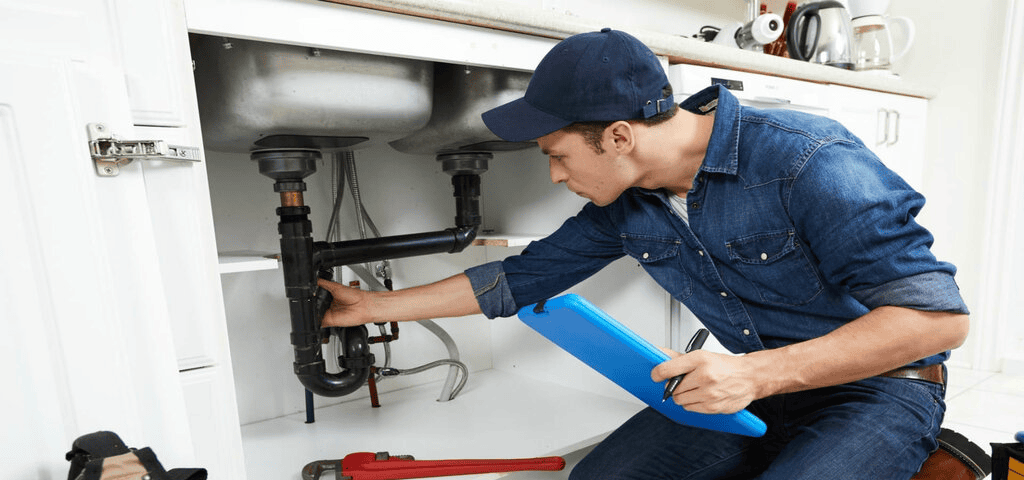
A leaking pipe, blocked toilet, broken boiler, or burst pipe can turn a normal day into a stressful one. When water is spreading across the floor, you may want to call the first plumber you find.
But choosing too quickly can lead to another problem.
You may get an unclear price, a poor repair, or someone who doesn’t have the right skills for the job.
The right plumber in London should do more than fix the fault. They should listen to your problem, explain what may be wrong, provide clear cost information, and carry out the work safely.
This guide explains how to choose a plumber in London, what questions to ask, what qualifications to check and what warning signs to look for.
It can help whether you are a homeowner, landlord, tenant, property manager or business owner.
How Do You Choose a Good Plumber in London?
If you need a reliable plumber in London, do not judge a company by its website headline alone.
Check whether the plumber:
- Has experience with the specific type of problem you are facing
- Has suitable plumbing qualifications
- Is Gas Safe registered when gas work is involved?
- Has suitable insurance
- Gives clear information about prices
- Can provide a written quote for planned work
- Has genuine customer reviews
- Explains call-out charges before you book
- Offers clear information about artistry guarantees
- Has proper business contact details
- Communicates clearly
- Can explain who will complete the work
You do not need to become a plumbing expert before hiring someone. A few simple checks can help you make a much safer choice.
1. Choose a Plumber Who Handles Your Type of Problem
Plumbing covers many different jobs.
One plumber may spend most of their time repairing household pipes and taps. Another may have more experience with drainage, heating systems or large commercial properties.
Before booking, explain the problem and ask whether the plumber regularly deals with that type of work.
Plumbing Repairs
Common plumbing repairs in London include:
- Leaking pipes
- Burst pipes
- Dripping taps
- Broken toilets
- Leaking showers
- Damaged sinks
- Pipe damage
- Faulty valves
- Low water pressure
- Water leaks
- Overflow problems
A simple leaking tap repair may only require replacing a worn part.
A hidden water leak can be much harder to find.
For example, water may be leaking below a floor or behind a wall. You may notice damp, peeling paint, mould, a drop in water pressure or water appearing in another part of the property.
In this case, the plumber may need to locate the source before repairing the leak.
This is why it helps to describe the signs clearly when you call.
Pipe Repairs
You shouldn’t always treat a damaged pipe the same way.
A plumber may be able to repair a small damaged section. In other cases, you may need to replace part of the pipe.
The right choice can depend on:
- Where the damage is
- The pipe material
- The condition of the pipe
- The cause of the damage
- How easy the pipe is to reach
- Whether the problem has happened before
If you need pipe repair in London, ask whether the plumber will first check why the pipe failed.
Fixing the visible leak without addressing the cause may only provide a short-term result.
Drainage Problems
A blocked drain is another common reason people search for a London plumber.
You may notice:
- Water draining slowly
- A blocked sink
- A blocked toilet
- Gurgling sounds
- Bad smells
- Water backing up
- The same blockage coming back
A small blockage near a sink trap is different from a problem deeper inside a drainage pipe.
Recurring blockages may take more than a quick attempt to clear.
If you need drain unblocking in London, tell the company whether one fixture is affected or several drains are having problems. This can help the plumber understand the possible location of the blockage.
For more serious or recurring problems, you may need specialist drainage services in London.
Plumbing Installations
You may also need a plumber when nothing is broken.
A plumbing installation in London may include the following:
- New taps
- Toilets
- Sinks
- Showers
- Kitchen plumbing
- Bathroom plumbing
- New pipework
- Plumbing fixtures
For installation work, ask about experience with the exact item you want fitted.
For example, bathroom plumbing services can involve water supply pipes, waste pipes, toilets, basins and showers. Kitchen plumbing can include sinks, taps, appliances and waste connections.
A good installation should work correctly, avoid leaks and suit the existing plumbing system.
2. Check Plumbing Qualifications and Experience
A website can call someone an expert, professional or experienced plumber.
Those words alone do not prove anything.
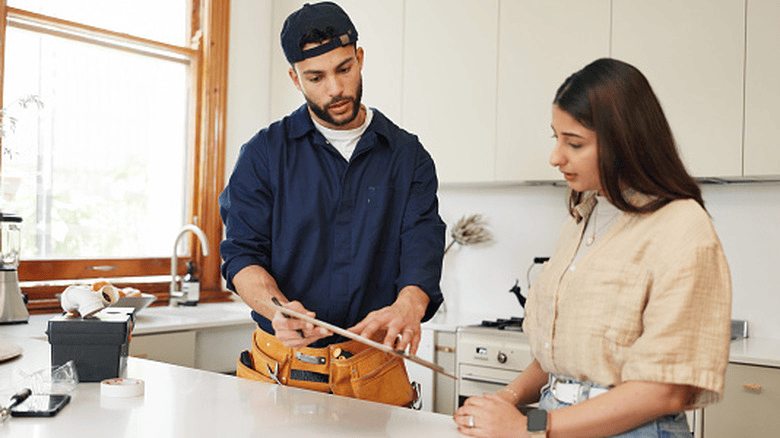
Ask about real training, qualifications and practical experience.
WaterSafe says plumbers working for a WaterSafe-approved plumbing business must have at least a suitable NVQ Level 2 plumbing-related qualification and a recognised Water Fittings Regulations qualification.
This gives you a useful idea of the type of evidence you can look for when checking a qualified plumber.
What Should You Ask?
You can ask:
- What plumbing qualifications do you hold?
- How long have you worked on this type of system?
- Have you completed similar repairs before?
- Are you part of a recognised approval scheme?
- Can I check your credentials?
A good plumber should not have a problem explaining their experience.
Expert tip: If a plumbing business displays membership of a trade or approval scheme, check the claim on the scheme’s own website. Do not rely only on a badge or logo shown on the company’s website.
Experience Matters, Too
Qualifications matter, but practical experience does too.
An experienced plumber in London may regularly work in the following:
- Older terraced homes
- Flats
- Converted properties
- Modern apartments
- Rental homes
- Shops
- Restaurants
- Offices
- Commercial buildings
London properties can have very different plumbing layouts.
Older buildings may have pipework that has been altered many times. Flats can also have shared services or difficult access.
A plumber who understands the property type and the fault may be able to diagnose the issue more efficiently.
3. Check Gas Safe Registration When Gas Work Is Involved
Plumbing work and gas work are not the same thing.
This is very important when you are dealing with the following:
- Gas boilers
- Gas appliances
- Gas pipework
- Gas heating equipment
The Health and Safety Executive states that gas work covered by the regulations must be carried out by a Gas Safe-registered business and a suitably qualified engineer.
So if your plumbing problem involves gas equipment, do not simply ask whether the person is a plumber.
Ask whether the person doing the gas work is a Gas Safe-registered engineer and is qualified for that type of gas work.
How to Check a Gas Safe Engineer
Gas Safe registered engineers carry an ID card.
The card provides important information about the engineer and the types of gas work they are allowed to carry out.
Check the Person Who Arrives
Don’t just check the company name.
Check the engineer who will actually carry out the gas work.
Look at the ID card.
You can check the engineer’s
- Photograph
- Name
- Registration details
- Expiry information
Check the Work Categories
The back of the Gas Safe ID card shows the categories of gas work the engineer is qualified to carry out.
This matters because being registered does not mean every engineer is qualified for every type of gas appliance.
Warning: Never let someone carry out gas work simply because they say they are a plumber or heating engineer. Check that the person is Gas Safe registered and qualified for the work you need them to do.
4. Check That the Plumbing Company Is Properly Insured
Plumbing work involves water, pipes, floors, ceilings, walls and fittings.
If something goes wrong, damage can spread beyond the area being repaired.
For larger jobs, ask the plumbing company what insurance it holds.
Citizens Advice recommends checking a trader’s insurance before work starts and asking to see relevant policy details where needed.
This is especially important for:
- Large plumbing installations
- Commercial work
- Major pipe replacement
- Work in rented properties
- Jobs where water damage could affect another flat or business
Do not be afraid to ask.
A professional plumbing company should understand why customers want to know who is responsible if something goes wrong.
5. Read Plumber Reviews Carefully
Searching for plumber reviews in London is useful, but do not look only at the star rating.
Read what customers actually say.
Look for Patterns in Reviews
Useful reviews may tell you whether the plumber:
- Arrived when expected
- Explained the fault clearly
- Gave clear prices
- Kept the property clean
- Fixed the problem properly
- Communicated well
- Helped during an emergency
- Returned when follow-up work was needed
A short review that only says “great service” tells you very little.
Several detailed reviews that mention the same good qualities can be more useful.
Read Negative Reviews as Well
Don’t judge a business by one unhappy customer.
Instead, look at patterns.
If several people complain about the same issue, it may be worth asking questions before booking.
Also look at how the plumbing company replies.
A calm, helpful response to a genuine complaint can tell you a lot about how the company handles problems.
When you are looking for a trusted plumber in London, reputation is about more than a high number beside a star icon.
6. Ask for Clear Plumbing Prices
Cost is one of the biggest worries when hiring a plumber.
You may wonder:
“How much will this cost?”
“Is there a call-out fee?”
“Will I pay more if the repair takes longer?”
“Are parts included?”
“Will emergency plumbing cost more?”
These are fair questions.
Ask About the Pricing Method
Before you book, ask how the company charges.
Depending on the job, pricing may involve the following:
- A call-out charge
- Labour
- An hourly rate
- A fixed price
- Parts and materials
- VAT where applicable
- Emergency or out-of-hours rates
- Extra diagnostic work
There is no single plumber cost in London that applies to every job.
A dripping tap repair and a burst pipe inside a wall are very different jobs.
Quote Versus Estimate
It also helps to understand the difference between an estimate and a quote.
An estimate is generally the trader’s best idea of what the work may cost.
A quote is an agreed price for the work described.
Citizens Advice recommends getting written quotes for planned work and comparing what each trader includes.
Did you know? Citizens Advice suggests getting written quotes from several traders for planned home improvement work. Comparing the scope and price can help you make a better choice.
What Should a Plumbing Quote Include?
For planned work, a clear plumbing quote in London should help you understand:
- What work is included
- Labour costs
- Parts or materials
- VAT where applicable
- Any call-out charge
- When extra costs could apply
- Expected timescale
Ask what happens if the plumber finds another problem after starting.
For example, removing a damaged fitting may reveal pipe damage behind it.
A professional plumber should explain the new problem and any extra cost before doing extra work, where possible.
7. Do Not Choose on Price Alone
A cheap quote can look attractive.
But the cheapest plumber is not always the best choice.
Imagine you get three prices.
One price includes the repair, new parts and an artistry guarantee.
Another only includes labour.
The third is very cheap but doesn’t explain which parts will be used.
Those prices are not really the same offer.
Compare:
- The work included
- Parts
- Labour
- Qualifications
- Insurance
- Experience
- Guarantee
- Response time
An affordable plumber in London should still provide safe and suitable work.
Good value is more important than simply finding the lowest number.
8. Ask About the Workmanship Guarantee
Before agreeing to larger plumbing repairs or installations, ask what happens if the same problem comes back.
A plumbing artistry guarantee may cover faults linked to the plumber’s work.
Ask:
- Is the work guaranteed?
- How long does the guarantee last?
- What does it cover?
- What is not covered?
- Are parts covered separately?
- What should I do if there is a problem?
Do not assume every guarantee is the same.
Get important terms in writing.
This is another reason to choose a reputable plumbing company with clear business details and a way to contact them after the job.
9. Ask Who Will Actually Do the Work
This question is often forgotten.
The person answering the phone may not be the person visiting your property.
Some plumbing companies use their own team. Others may use contractors or specialist engineers.
Ask:
“Who will carry out the job?”
“Do they have experience with this problem?”
“Are they qualified for the work?”
“Will the same person return if more work is needed?”
This matters even more when you are a landlord, letting agent or property manager looking for local plumbing services across several properties.
You need to know who is entering the property and who is responsible for the work.
10. Good Communication Is a Sign of a Professional Plumber
You should not need to understand every pipe or valve in your home.
The plumber should be able to explain the problem in simple language.
After checking the fault, they should try to explain:
- What they found
- What may have caused it
- What repair is needed?
- Whether there are other options
- What the repair is likely to cost
- Whether more work may be needed
Be wary of anyone who creates pressure without explaining why the work is urgent.
At the same time, remember that a plumber may not know the final cause until they inspect the system.
For example, the visible damp patch may be several metres away from the actual leak.
A professional plumber in London should be willing to diagnose the issue before making claims about the repair.
11. Know When You Need an Emergency Plumber
Not every plumbing problem needs immediate help.
A slow dripping tap can often wait for a normal appointment.
A fast water leak may not.
Knowing the difference can protect your property and help you explain the urgency when calling an emergency plumber in London.
Burst Pipe
A burst pipe can release a large amount of water.
If you can do so safely, turn off the water supply.
Move furniture and valuable items away from the affected area.
Then arrange an urgent burst pipe repair in London.
Do not keep the water running while waiting to see if the leak slows down.
Serious Water Leak
A water leak emergency needs extra care when water is
- Spreading quickly
- Coming through a ceiling
- Near electrical fittings
- Flooding a room
- Affecting another property
Avoid touching electrical equipment if water is around it.
Arrange urgent help and explain exactly where the water is going.
Blocked or Overflowing Toilet
A blocked toilet is more urgent if the following are true:
- Wastewater is overflowing
- It is the only toilet on the property.
- Several drains are backing up.
- Water is spreading across the floor.
A simple blockage may sometimes be local to the toilet.
Several blocked fixtures can suggest a problem further along the drainage system.
Tell the plumber what is happening before they arrive.
No Hot Water or Boiler Problems
No hot water is frustrating, especially in winter.
But first, identify whether the issue is plumbing, heating, or gas-related.
If the fault involves a gas boiler, use a suitably qualified Gas Safe engineer in London.
Do not remove boiler covers or attempt gas repairs yourself.
What If You Smell Gas?
A suspected gas leak is not a normal plumbing call-out.
If you smell Gas in Great Britain, National Gas says to call the National Gas Emergency Service on 0800 111 999.
Follow emergency safety advice rather than waiting for a normal plumber appointment.
12. Local Plumber or Large Plumbing Company?
Many people search for a local plumber in London, a plumber near me in London or a local plumbing company.
A local service can have practical benefits.
The company may:
- Know your area
- Understand common local property types
- Cover nearby postcodes
- Offer easier follow-up visits
- Be able to respond quickly when available
But being local does not automatically mean the plumber is good.
You should still check qualifications, reviews, pricing and experience.
The same rule applies to a larger plumbing company in London.
Choose based on the job and the evidence, not just the business size.
13. Choosing a Residential Plumber in London
Home plumbing problems often affect the places you use every day.
A residential plumber in London may help with:
- Toilets
- Sinks
- Taps
- Showers
- Bathrooms
- Kitchens
- Water leaks
- Pipe damage
- Low water pressure
- Plumbing installations
When booking, explain how the fault affects your home.
For example:
“My kitchen sink drains very slowly, and now water is coming back up.”
This is more useful than only saying the following:
“My sink is broken.”
The more useful information you give, the easier it is for the plumbing company to understand what type of visit may be needed.
14. Choosing a Commercial Plumber in London
Commercial plumbing problems can affect more than comfort.
A blocked toilet in a restaurant, a leaking pipe in an office or a drainage problem in a shop can interrupt normal business.
When choosing a commercial plumber in London, consider:
- Response times
- Experience with business properties
- Access arrangements
- Invoicing
- Safety
- Record keeping
- Out-of-hours work
- Repeat maintenance
- Multiple property support
A commercial customer may also need the plumber to work around staff, customers or opening hours.
Ask how disruption will be managed before larger work begins.
15. Questions to Ask a Plumber Before Hiring
You do not need to ask twenty technical questions.
A short conversation can tell you a lot.
Do You Handle This Type of Plumbing Problem?
Describe the symptoms.
Ask whether they regularly work on that type of issue.
What Qualifications Do You Hold?
Ask for real information rather than accepting words such as “certified” or “expert” without explanation.
Do I Need a Gas Safe-Registered Engineer?
If gas equipment is involved, the answer may be yes.
Make sure the person carrying out gas work is registered and qualified for that category of work.
Are You Insured?
Ask what cover applies to the work.
Is There a Call-Out Charge?
Ask before the visit.
This is especially useful when booking an urgent plumber in London or an out-of-hours service.
Can You Give Me a Written Quote?
For planned work, written information can help avoid confusion.
Are Parts and VAT Included?
Do not assume they are.
Ask.
What Happens if More Work Is it needed?
A hidden plumbing problem may only become clear after inspection.
Ask how additional work and costs will be approved.
Is the Work Guaranteed?
Ask what the guarantee covers and how long it lasts.
How Soon Can You Attend?
A same-day plumber in London may help with urgent problems, but make sure the company can meet the response time it promises.
16. Red Flags to Watch for When Hiring a Plumber
Trust your judgement if something does not feel right.
Be cautious of a plumber:
- Will not explain the work
- Will not provide basic business details
- Makes qualification claims that cannot be checked
- Refuses to discuss pricing
- Gives an unclear quote
- Pressures you into unnecessary work
- Cannot explain extra charges
- Uses suspicious-looking reviews
- Claims to do gas work but cannot show suitable Gas Safe details
- Has no clear way for you to contact them after the job
You should also be wary of very low prices with no detail.
The aim isn’t to find someone who uses the right marketing words.
The aim is to find someone who can show that they are suitable for the job.
How Plumbing Service London Can Help
If you have a plumbing problem in London, Plumbing Service London can help you understand the issue and arrange the right type of service.
Your problem may involve a leaking pipe, damaged fitting, blocked fixture, bathroom plumbing, kitchen plumbing, drainage problem or another fault.
The first step should be to understand what is happening.
Clear information can help the right plumber arrive prepared for the job.
If your problem needs urgent attention, explain:
- What is leaking or blocked?
- Where the problem is
- How quickly water is moving
- Whether you have turned off the water
- Whether electrical items are close to the leak
- Whether the problem affects your toilet, heating or hot water
Need help with a plumbing problem in London?
Call Plumbing Service London on 020 8023 5168.
Quick Checklist Before Choosing a Plumber in London
Before you book, check that you understand:
- What type of work the plumber handles
- Their relevant qualifications
- Their experience
- Gas Safe registration when gas work is involved
- Their insurance
- Their reviews
- Their call-out charge
- Their pricing method
- What is included in the quote?
- What happens if extra work is needed?
- Their artistry guarantee
- Who will carry out the work
- How soon they can attend
- How you can contact the business later
Taking a few minutes to check these points can save you a lot of worry later.
Frequently Asked Questions About Choosing a Plumber in London
How Do I Find a Reliable Plumber in London?
Start by checking whether the plumber has experience with your type of problem. Check qualifications, insurance, customer reviews, and clear business details. For planned work, ask for written pricing. Don’t choose a plumber only because they’re the cheapest or appear first in a search result.
How Do I Know if a Plumber Is Qualified?
Ask about plumbing qualifications and practical experience. You can also check claimed membership of recognised schemes. WaterSafe sets qualification requirements for plumbers working for its approved businesses, including suitable plumbing qualifications and Water Fittings Regulations training.
Does a plumber need to be Gas Safe-registered?
For normal plumbing work that does not involve Gas, Gas Safe registration is not the qualification you need to check. If the person will work on gas fittings or appliances, they must be suitably Gas Safe registered.
How Much Does a Plumber Cost in London?
The price depends on the type of work, labour time, parts, access and urgency. Emergency and out-of-hours work may use a different pricing structure. Ask about call-out charges and how labour and parts are charged before agreeing to work.
Should I Get a Plumbing Quote Before Hiring?
For planned work, yes. A written plumber quotation helps you see what is included and makes it easier to compare companies. Emergency work may need to start with a call-out or inspection before you know the full repair cost.
Should I Choose the Cheapest Plumber?
Not automatically. Compare what each price includes. Check labour, parts, qualifications, insurance and guarantees. A low price can be good value, but only when the plumber is suitable for the job, and the scope is clear.
What Should I Do if I Need an Emergency Plumber?
If water is leaking quickly, turn off your water supply if it is safe to do so. Keep people away from affected electrical equipment. Then contact an emergency plumbing service in London and explain what is happening. If you smell Gas, call the National Gas Emergency Service instead.
Is a Local Plumber Better?
A local London plumber may know the area well and make follow-up easier. However, location alone does not prove quality. Check the plumber’s experience, qualifications, reviews and pricing before you book.
What Is a Plumbing Workmanship Guarantee?
An artistry guarantee explains what the plumbing company will do if a covered problem linked to its work appears after the job. Ask what is covered, how long the guarantee lasts and whether parts have separate warranties.
Final Thoughts on Choosing the Right Plumber in London
Finding the right plumber isn’t just about getting someone through the door quickly.
You want someone who understands the problem, has the right skills, communicates clearly, and explains the cost.
Check the plumber’s experience. Ask about qualifications. Read real reviews. Understand the quote. Check insurance. If the job involves Gas, verify Gas Safe registration.
Most importantly, ask questions when something is unclear.
A trustworthy plumber should help you understand the problem rather than make the situation more confusing.
If you need a plumber in London for a repair, installation, leak, blocked fixture or urgent plumbing problem, Plumbing Service London can help you take the next step.
Call 020 8023 5168 to discuss your plumbing problem.